
Getting standing water out fast
Water on the floor is a clock running. Our line is open 24/7, so call as soon as you see it, then use the minutes before the crew arrives to cut the flow, protect what you can lift, and stay out of anything that touches power or sewage.
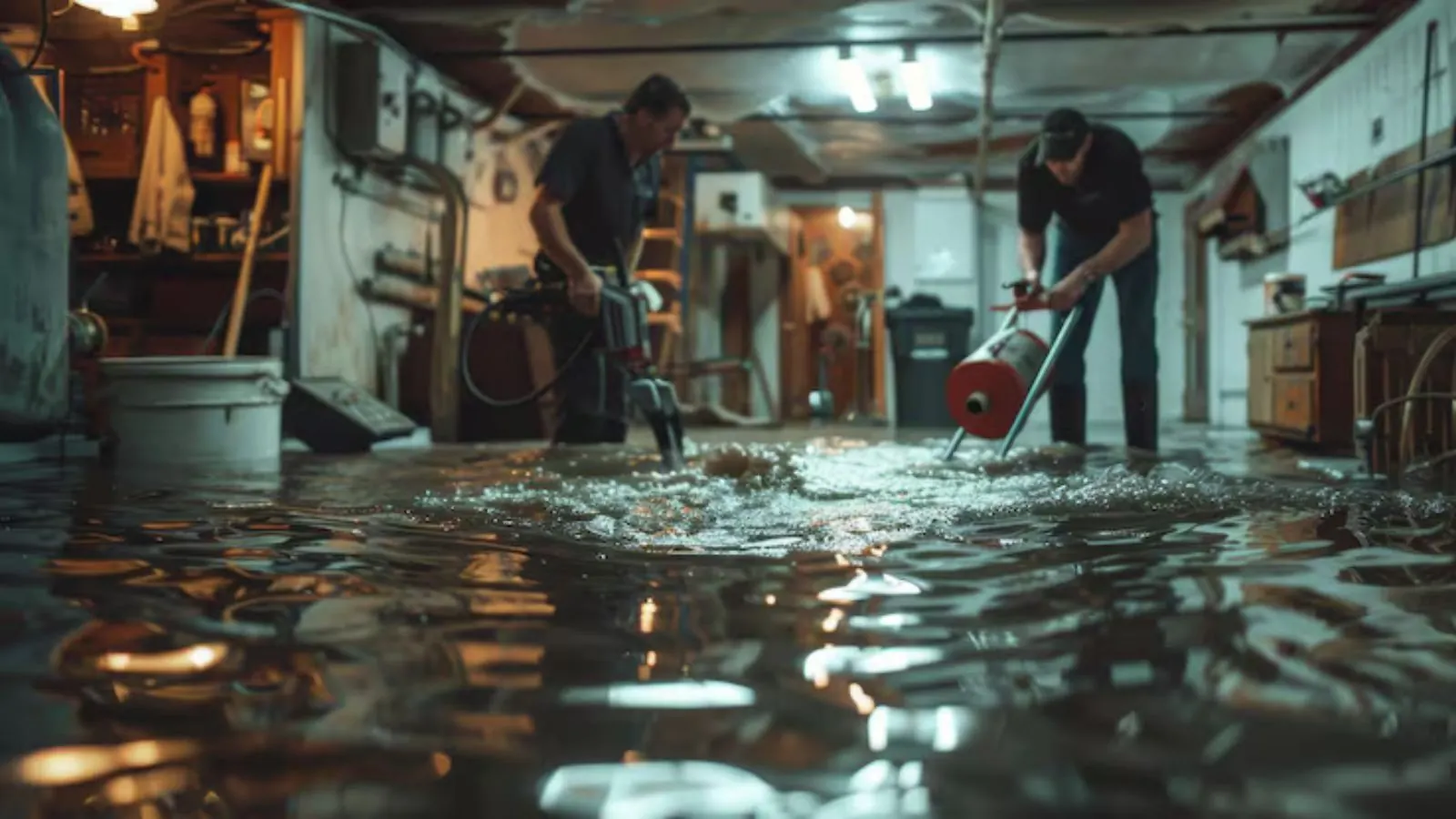
Emergency water removal in Orem, UT is the process of pumping and extracting standing water from a building with submersible pumps, truck-mounted extraction units and portable extractors. It is the first physical step in a water loss, ahead of drying, cleanup and repair.
When standing water is an emergency
A puddle that a towel can handle is not an emergency. Water deeper than the soles of your shoes, water in a finished basement, or water still arriving from a pipe or a window well is. Carpet absorbs and holds it, and the pad underneath acts like a sponge pressed against the subfloor.
Night or weekend does not change that, which is why the dispatch runs after hours and through holidays. We offer same-day response when available, and the dispatcher will give you an honest read on timing. If you must wait, shut off the water, move rugs and boxes onto tables or stairs, and leave the lights alone if the floor is wet.
Electricity and water together are the real danger. If water is near the panel, outlets or appliances, do not wade in. Turn off power at the breaker only if the panel is dry and you can reach it without stepping in water. For any shock risk, sparking or gas smell, call 911 or the utility first, then call us.
Where Orem water comes from
Orem basements tend to flood in one of four ways. A supply line or water heater fails, a sump pump quits during runoff, a window well fills and spills in, or a sewer line backs up through a floor drain. The first two are clean-water events and the last two can be contaminated, so tell the dispatcher which one you think it is.
The city says residents should clear gutters, curbs and storm drains and aim downspouts and sump pump discharge away from the house. In the high-runoff spring of 2023, Orem Public Works kept nearly 5,000 sandbags on hand and repeated that advice. Check your discharge hose and window well covers now, not during the next storm.
Next door, Lindon has a pressurized secondary irrigation system that is not drinking water and must be drained and shut off before winter. A forgotten valve is a common reason for spring flooding there. Our crews cross the line into Lindon regularly, and the same pumping applies.
Signs you need water removed now
- Water visible across a floor, even a thin sheet Carpet and pad hold far more than they look like they do.
- A basement floor drain that bubbles or burps
- A sump pump that hums but does not move water The impeller may be jammed or the check valve stuck.
- Water pushing under a door, along the baseboard or through a wall crack
- A washer, dishwasher or water heater still leaking
- Walls that feel damp to the touch above the water line Wicking carries water up drywall.
- A smell like wet dirt or sewer
How the water comes out
Make the scene safe
The crew checks for electrical hazards, slick surfaces and contamination before setting a pump. Gloves, boots and respirators are used where water might carry sewage.
Pump out the depth
Submersible pumps clear anything deep enough to cover the intake. Discharge hoses run to a drain or outside, away from the foundation.
Extract from surfaces
Truck-mounted units, with strong vacuum and a long hose, pull water from carpet and pad. Portable extraction units reach upstairs or in tight rooms, and a wand tool pulls water from hard floors.
Lift and remove what is ruined
Soaked pad is cut and rolled out. Carpet is peeled back or taken out if the water was contaminated.
Check what is left
Moisture meters show what the extraction missed. Thermal imaging cameras help locate wet walls and subfloor.
Hand off to drying
Air movers and LGR dehumidifiers take over. See water mitigation for what that stage involves.
Burst pipe water damage
A burst pipe is one of the fastest ways to flood a house. A frozen line splits along its length, and the water often goes unnoticed until the thaw, when pressure returns and a full supply line empties into a wall or crawl space. Orem's freezing nights from late fall into spring make exterior walls, unheated garages and hose bibs the usual suspects.
Shut off the water at the main first. Then open the lowest faucet to drain remaining water from the line, and turn off the water heater if it feeds the broken section. Do not use a hair dryer or space heater near standing water.
Once the flow stops, the crew pumps out any pooled water, extracts the carpet and pad, and opens the wall below the break so water can drain and air can enter. A plumber must fix the pipe, since we remove the water and dry the structure but do not repair plumbing. Photograph the burst, the water line on the walls and any damaged belongings for your insurer.
Pumps, extractors or a wet vac
Each tool has a job, and using the wrong one wastes time. This is how crews choose between them.
| Tool | Suited for | Limit |
|---|---|---|
| Submersible pump | Deep water, basements, crawl spaces | Leaves a film of water behind that must be extracted |
| Truck-mounted extraction unit | Large carpeted areas, long reach | Needs truck access to the property |
| Portable extractor | Upstairs rooms, tight spaces, stairs | Smaller capacity, more trips |
| Household wet vac | Small spills and corners | Too slow for anything that soaks pad |
The household wet vac has its place, but a basement that took on an inch of water has hundreds of gallons in the carpet and pad. Renting or buying a small unit will not keep up, which is why people call for pumping.
Pumping out the basement without making it worse
If the water outside is high, do not drain a flooded basement all at once. Pumping too quickly can let wet soil press on the foundation walls. Let the crew advise on the pace. And never pump sewage into the yard or a storm drain.
What affects the price of water removal
Depth and volume of water
More gallons mean more pump time and more extraction passes.
Contamination level
Clean water is cheaper to handle than water that touched sewage or soil, which requires protective gear and disposal.
Access to the room
Stairs, narrow doors and long hose runs change how crews set up.
Floor type
Carpet and pad take more extraction effort than tile or sealed concrete.
Time of day and delay
Water that sat overnight has reached more materials than water caught within minutes.
If the cause was sudden and accidental, your policy may respond. Flood damage is usually excluded, and gradual leaks often are too. Check your policy or ask your insurer. For a specific estimate, call the line and describe the situation.
Want your real number? Call the 24/7 line and the dispatcher explains the scope and the price before any work starts.
☎ Call (385) 988-9410After the water is out
Removal is the beginning. Left alone, damp framing and subfloor invite odor and mold within days, so drying equipment follows right behind the pumps. Once the building is dry, water damage cleanup handles sanitizing, and water damage repair rebuilds what was removed.
Restoration is not waterproofing. If your basement floods repeatedly, ask a waterproofing or foundation contractor about drainage. Also ask any restoration company whether its crews follow the ANSI/IICRC S500 standard and how they document the work.
Frequently asked questions
Yes. The dispatch line runs 24/7 and takes calls at night, on weekends and on holidays. Licensed, insured crews offer same-day response when available, and the dispatcher will tell you what to expect for your address.
The pumping itself may take hours, depending on depth and square footage. Drying afterward takes days, not hours, because carpet, pad and framing hold moisture.
A shop vac works on small spills. It will not keep up with a wet carpet or basement, and the pad underneath stays wet.
Stay out of it and avoid contact. This is a contaminated-water job, so tell the dispatcher so the crew arrives with the right protective gear and disposal plan.
No. Our crews remove water and dry the structure, and a plumber repairs the pipe. The crew can often shut off the line to stop more water.
Move what you can lift safely onto dry surfaces, but leave heavy pieces alone. Place foil or plastic under furniture legs on wet carpet to stop stains from spreading.
It depends on the cause. Sudden and accidental plumbing failures are often covered, while flood and groundwater generally need a separate flood policy. National Flood Insurance Program policies normally carry a 30 day waiting period, so ask your insurer.
Not usually. A sump pump is built to keep groundwater below the slab. It is not made to clear a whole room of standing water.