
Water mitigation, defined
If water is moving through your home right now, this is an emergency, and our dispatch line answers 24/7. While you wait, close the nearest shutoff, lift small items off wet floors, and keep everyone away from wet outlets.
Water mitigation in Orem, UT means taking steps to stop damage from growing: shutting off the source, removing water, mapping moisture and starting structural drying. It is the stage before cleanup and repair, and it is judged by how little needs replacing afterward.
My wall is wet, what is mitigation?
A wet wall is the most common reason people look this up. The drywall surface may feel only slightly damp, but behind it the paper face, the gypsum core, the insulation and the bottom plate of the framing can all be holding water. Mitigation is how you find all of it and dry it before the drywall softens or the cavity starts to smell.
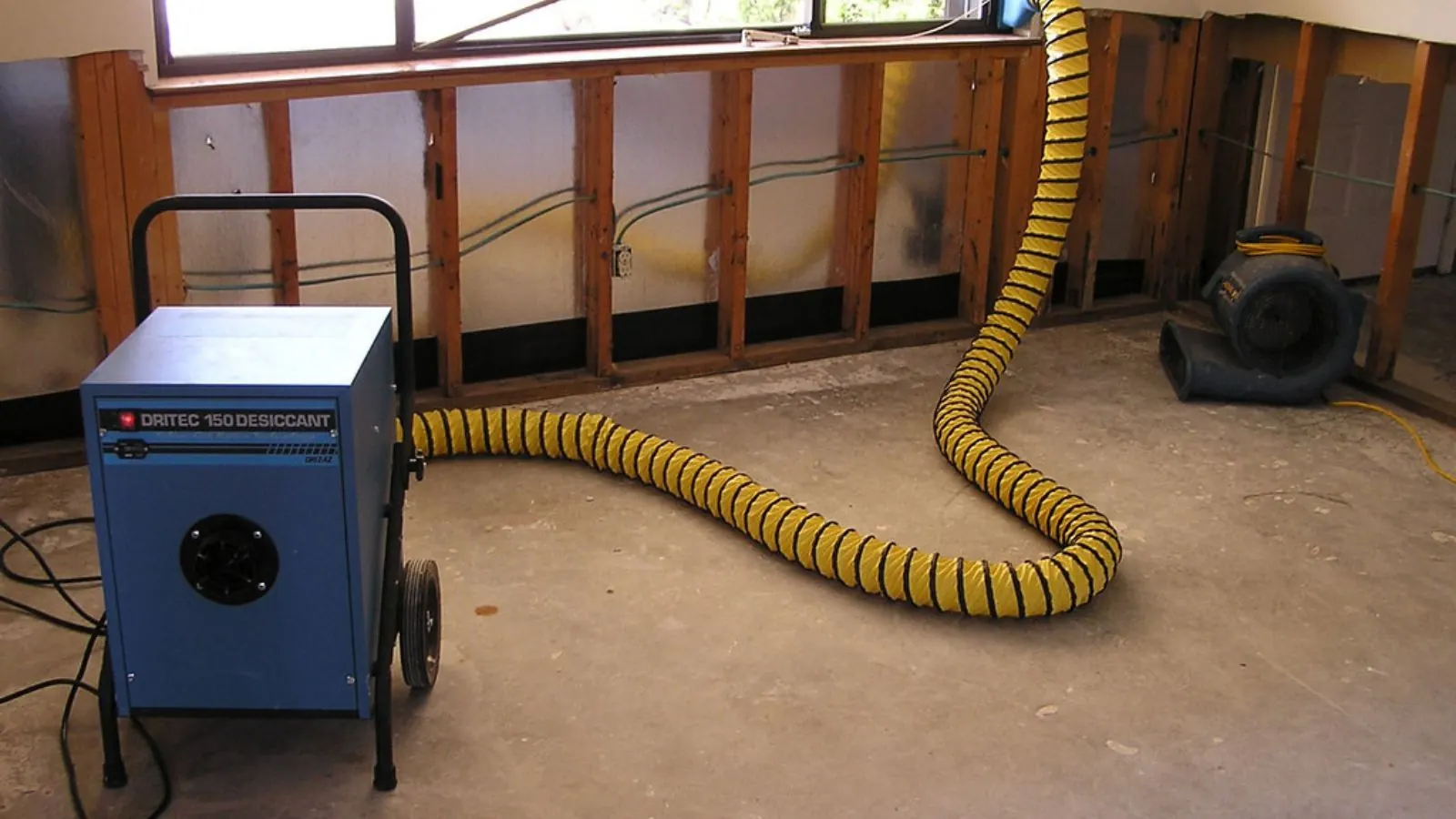
In practice, a crew uses a moisture meter to read the wall at several heights, then a thermal imaging camera to see how far the wet area runs. They may drill small holes or cut a narrow section at the baseboard so air can reach the cavity. Then air movers and dehumidifiers go in. Mitigation is not repair, and it does not paint over anything. It is a controlled attempt to make the existing wall dry again.
When water is an emergency in the first 72 hours
Some water problems can wait until morning. Many cannot. A running supply line, a flooded laundry room, a ceiling holding water and a water heater that has let go all need action tonight, because every hour wet drywall sits against framing makes the job larger.
Our after-hours dispatch handles these calls on nights, weekends and holidays. Crews offer same-day response when available, and the dispatcher will tell you honestly what to expect. Until they arrive, you can slow the loss by turning off the water at the fixture or main, moving rugs and electronics out of the room, and propping open cabinet doors under a leaking sink.
Safety comes before speed. If water has reached an electrical panel, outlet or sewage, stay out of the room. Cut power only if the panel is dry and safe to reach. For sparking, a gas smell or any electrical risk, call 911 or the utility before you call us.
Why Orem homes need fast mitigation
Orem runs on its own city water system, which began as a bond issue after incorporation in 1919. The city draws from wells, springs and treated Provo River water, and a failed fitting on that supply can pour a lot of water quickly. Find your main shutoff today, before it matters.
Winter adds frozen pipes in garages, crawl spaces and exterior walls, and the burst shows up when everything thaws. Rentals near Utah Valley University and State Street (US 89) add another wrinkle, since a leak in one unit can reach the unit below. If you rent, report the leak immediately and photograph the damage before anything is moved. Nearby, Provo sees many of the same winter and rental problems, and our crews cover it from the same dispatch.
Signs you need mitigation now
- Standing water or a squishy floor Carpet that squelches means the pad is full and the subfloor is next.
- A ceiling that sags, bulges or drips Water is trapped above and can release without warning.
- Wall paint that bubbles or drywall that feels soft The gypsum core is absorbing water.
- Baseboards that swell or pull away
- A musty smell, even without a visible stain Hidden wet materials often announce themselves by smell first.
- A water meter that keeps moving when all fixtures are off A hidden supply leak is active somewhere.
- Warped or crowned hardwood Boards are taking on moisture from below or above.
How mitigation is carried out
Stop the water
The crew closes the fixture stop, the water heater valve or the main. Breaks before the city meter belong to the city, so call the water line for those.
Assess and classify
The crew identifies the water category and the affected materials. Clean supply-line water behaves differently from gray water, and sewage changes the plan entirely.
Extract
Truck-mounted and portable extraction units pull water from carpet, pad and hard floors. Submersible pumps take care of deeper water.
Remove what cannot be dried
Saturated carpet pad, ceiling tiles and swollen baseboard come out. Removing them early speeds up drying and limits odor.
Map moisture
Moisture meters and thermal imaging cameras define the wet zone. The crew records readings so progress can be checked on each visit.
Place equipment
Air movers and LGR dehumidifiers are positioned based on the room and the materials. More equipment is not always better, since poor airflow leaves wet corners behind.
Monitor and adjust
Readings are taken again at each visit. Equipment is moved, added or removed based on what the numbers show.
Structural drying
Structural drying is the longest part of mitigation. It treats the building itself, including studs, plates, subfloor and concrete, as something that can hold water for days after the surface looks dry. The goal is to bring those materials back to a normal moisture reading, which a meter can confirm.
LGR dehumidifiers do the heavy work, pulling moisture out of the air so that the wet materials can release more. Air movers circulate that dry air across surfaces, and they are set at an angle to hit the base of walls and floors. In closed cavities, crews may open the wall or run drying systems through small holes to push air inside.
Drying usually takes several days, and the number depends on the materials. Dense hardwood and plaster dry slowly. Drywall and carpet dry faster, but only if the pad is removed. Because temperature and humidity affect results, crews adjust the plan if a warm spell or a cold snap changes conditions.
You can help by keeping doors and windows closed in the drying zone, leaving equipment running, and not turning the thermostat way down. The equipment can be loud and warm, and it needs to run until the readings say it is done. Ask to see those readings at each visit.
Dry in place or remove it
Not every wet material is worth saving. The honest trade-off is cost and time against risk. This table shows how crews generally decide.
| Material | Dry in place when | Remove when |
|---|---|---|
| Drywall | Clean water, recent, no swelling | Soft, stained, or exposed to gray or sewage water |
| Carpet pad | Rarely worth saving | Almost always, since it holds water and odor |
| Carpet | Clean water, lifted quickly | Long exposure or contaminated water |
| Hardwood floor | Early, with specialized drying mats | Severe cupping or contamination |
| Insulation | Closed-cell or rigid foam | Fiberglass batts that are saturated |
| Framing and subfloor | Almost always dried in place | Rot, delamination or contamination |
Crews should explain each call. If someone says everything has to go without showing readings, ask for the moisture numbers.
What shapes the cost of mitigation
How much of the building is wet
The number of rooms, the volume of water and whether it reached upper or lower floors decide the equipment count.
Type of water
Clean supply water costs less to handle than gray water or sewage, which call for removal and disinfecting.
Materials involved
Plaster, hardwood and concrete dry slowly and need longer equipment time.
Hours until response
The earlier drying begins, the fewer materials end up as removal items.
Equipment days
Dehumidifiers and air movers are billed by time on site, so the drying length matters.
Most insurance policies treat sudden and accidental water damage as potentially covered, while gradual leaks and neglect often are not. Standard homeowners policies do not cover flood. Check your policy or ask your insurer, and call the line to get a real number for your situation.
Want your real number? Call the 24/7 line and the dispatcher explains the scope and the price before any work starts.
☎ Call (385) 988-9410Mitigation and what comes next
Once the structure reads dry, the next job depends on what was removed. Water damage cleanup covers sanitizing and contents. If water is still standing when you call, emergency water removal gets the pumps going first. After drying is verified, the repair stage rebuilds.
Ask any company whether its crews work to the ANSI/IICRC S500 standard for water damage restoration. A good answer names the standard and describes how readings are documented. Rebuilds may need permits, so ask the Orem Building Safety Division before walls are opened.
Frequently asked questions
Yes. The dispatch line takes mitigation calls at night, on weekends and on holidays, and licensed, insured crews offer same-day response when available. The dispatcher will explain the likely timing for your address.
Mitigation is the early work that stops damage from spreading, which means water removal, moisture mapping and drying. Restoration is the full path that includes cleanup and repair afterward.
As soon as possible, since the first 24 to 72 hours decide how many materials can be saved. Wet drywall and carpet pad start to break down quickly, and mold needs moisture to grow.
Fans move air, but they do not remove moisture from it. Without a dehumidifier the humidity climbs and the water ends up in other materials.
The crew compares moisture meter readings against readings from an unaffected area of the same material. When the numbers match, drying is done.
Only if the panel is dry and safe to reach. If water touches the panel, outlets or any wiring, stay out and call 911 or the utility first.
No, we do not offer rentals. Placement, monitoring and removal are part of what the crew does, and equipment placed without a moisture map often misses wet areas.
Often, when the damage was sudden and accidental, though policies differ. Ask your insurer, and keep photos, receipts and the crew's moisture logs.