
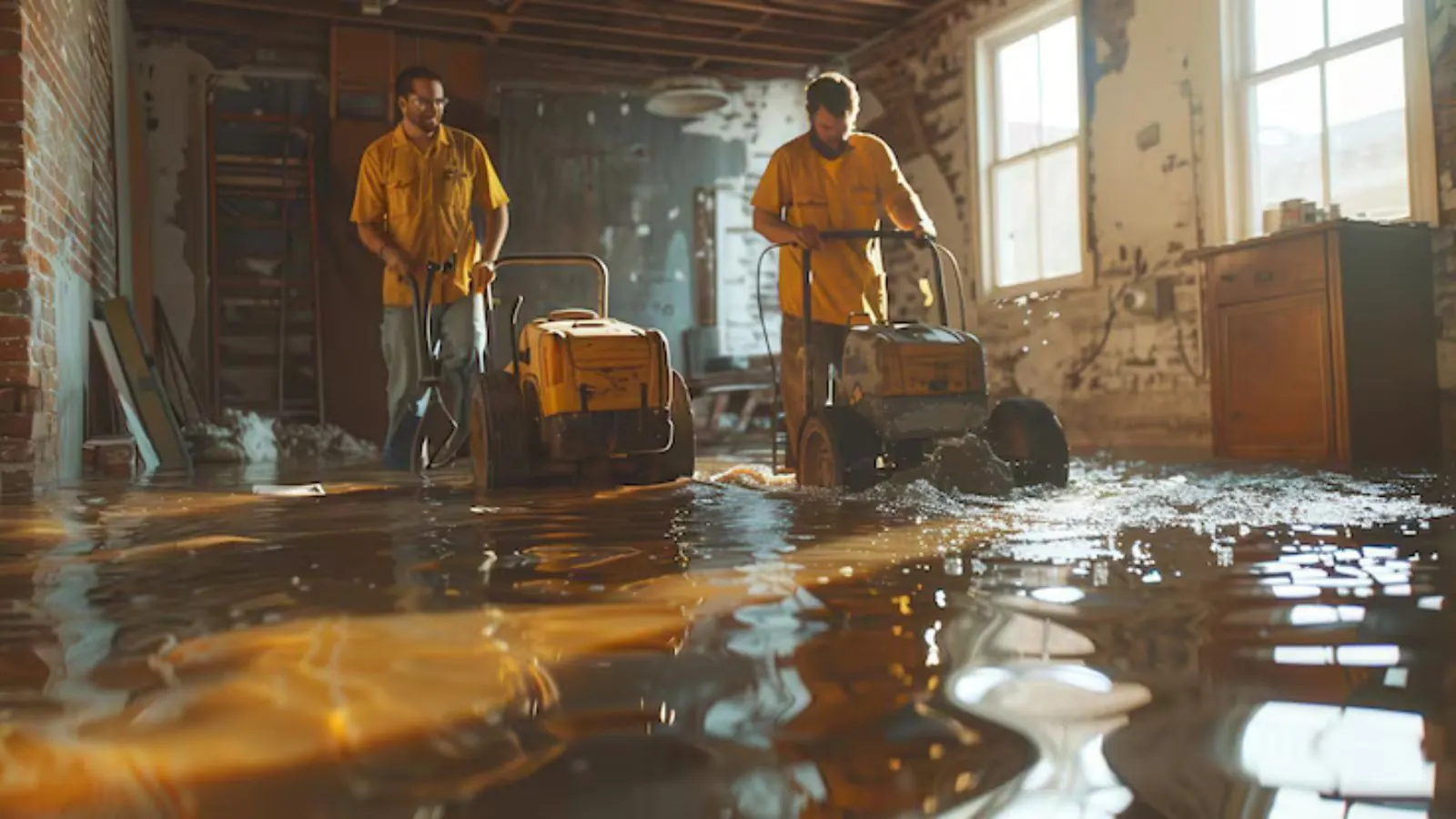
The first 48 hours of water damage cleanup
If water has soaked your floors, the next two days decide how much of the house you keep, and our dispatch line runs 24/7 for homes across Orem, UT. Water damage cleanup is the removal of water, debris and contaminated materials, followed by sanitizing and deodorizing once the source is stopped. While you wait for a crew, stay out of any room where water touches outlets, lift valuables onto dry surfaces, and leave sagging ceilings alone.
This page covers the cleanup phase only. If a supply line is still running, the job starts with stopping the damage, and deep standing water needs pumps first through emergency water removal. Cleanup decides what leaves the building and what gets disinfected. Rebuilding the walls and floors afterward belongs to water damage repair.
Why cleanup jobs in Orem start from different places
Most losses trace back to a short list of sudden failures. Pipes freeze on cold nights from late fall into spring, water heaters split at the seam, washer supply valves let go, and air conditioner condensate lines clog in summer and spill into closets and ceilings. Snowmelt can also push water through a window well and into a finished basement, which changes the cleanup because ground water carries silt and bacteria.
Orem was incorporated in 1919 largely to build a water system, so the civic side of your plumbing is old infrastructure. The city serves about 23,530 water connections through the Water Section of Public Works. If a break sits on the street side of the meter, call the city water line. If it sits past the meter, it is yours, so find your main shutoff now, before the day you need it.
Signs you need cleanup and not just a mop
- Carpet pad that squishes underfoot or smells sour a day after the leak
- Drywall that is soft, stained at the base, or showing a wet line above the baseboard
- Gray or brown water, or any sewage odor near a floor drain or toilet
- Cabinet toe kicks that are swollen or lifting from the floor
- Insulation visible through a ceiling hole and hanging heavy with water
- A musty smell that returns after you air out the room
How a cleanup crew works through a wet house
Walk the house and confirm the source is off
The crew checks the shutoff, looks for live electrical hazards, and decides which rooms are safe to enter before any tools come out of the truck.
Map the wet areas
Moisture meters and a thermal imaging camera show where water traveled behind baseboards, under cabinets and up the wall, which is rarely where the stain is.
Pull what cannot be saved
Wet carpet pad, saturated insulation and soft drywall come out. Crews often make a flood cut about 12 inches above the waterline, then bag and carry the debris to the truck.
Extract the remaining water
Portable extraction units and truck-mounted equipment lift water from carpet, hard floors and low spots so the surfaces can start to dry.
Wash and sanitize
Hard surfaces get a HEPA vacuum pass, a detergent wash and an antimicrobial treatment. Grayer water means more aggressive washing and more removal.
Deodorize the air and the materials
HEPA air scrubbers pull fine particles out of the room, and odor-control treatment is applied to surfaces that held the smell.
Pack out or protect belongings
Dry contents are moved or blocked up off the floor. Wet items are sorted into clean, restorable and discard piles.
Document the finished condition
The crew records final moisture readings and photos, which helps when the rebuild or an insurer asks what was removed.
What gets removed and what can be saved
Salvage depends on the material and on how dirty the water was. The table shows the usual pattern, and the crew on site makes the final call with a meter in hand.
| Material | Often saved when | Usually removed when |
|---|---|---|
| Carpet pad | Almost never saved | Wet from any source, because pad holds water and odor |
| Carpet | Clean water, found quickly, lifted and dried | Gray or black water, or wet beyond a day or two |
| Drywall | Clean water, wet only at the lower edge, firm to the touch | Soft, crumbling, stained or touched by contaminated water |
| Fiberglass insulation | Rarely saved once soaked | Slumped, heavy or dirty |
| Hardwood and engineered flooring | Dried early with floor-drying equipment | Cupped hard, buckled or delaminating |
| Solid wood furniture | Wiped, dried and cleaned | Veneer lifting or contaminated water |
| Upholstery and mattresses | Clean water and fast attention | Contaminated water or lingering odor |
Belongings and contents
Wet belongings are where cleanup gets personal. Photo albums, paperwork, electronics and clothing each need a different move, and the wrong one makes things worse. Lift paper and fabric off wet floors immediately, and set electronics aside unplugged and untouched until someone checks them.
Take photos of everything before it is bagged or hauled. A room-by-room record of what was wet, what was cleaned and what was thrown out backs up any claim conversation with your insurer. It is far easier to build while the mess is still in front of you.
The floor looks dry but the room still smells
This is the most common cleanup gap. Surfaces dry quickly, but water that wicked into the base of a wall, under cabinet kicks or beneath laminate keeps feeding odor for days. A moisture meter and thermal camera find what the eye cannot, and the fix is usually removing a strip of baseboard or a section of drywall and treating the cavity.
If the smell comes with visible fuzzy growth or dark spots, the situation has moved into mold remediation, which uses containment and different rules than ordinary cleanup. Do not spray scented products over it. Masking the odor leaves the damp material in place.
What to do before the cleanup crew arrives
Cleanup goes faster and safer when the first hour is used well. These steps are the ones that matter most before anyone starts hauling out wet materials.
- Stop the source. Shut the fixture valve or the main water valve, and keep the water off until the source is repaired.
- Do not walk through wet areas near outlets. Turn power off at the panel only if the panel is dry and you can reach it without standing in water. Otherwise call 911 or the utility first.
- Keep people and pets out of dirty water. Anything from a sewer line, toilet or outdoor flooding should be treated as contaminated until a crew says otherwise.
- Lift what you can. Move small furniture, rugs, electronics and paperwork to a dry room. Leave heavy items for the crew.
- Take photos before anything moves. Wide and close shots of the damage, plus the source, help later with the insurance conversation.
What shapes the cost of water damage cleanup
Water category
Clean supply water needs less removal than gray water from a washer or dishwasher, and sewage means far more material comes out and more protective gear goes on.
Square footage and rooms affected
A single bathroom is a different job than a main floor and a finished basement, because every extra room adds extraction, washing and equipment time.
Materials involved
Carpet over pad is quick to remove. Tile over a mortar bed, plaster or built-in cabinetry takes more labor and disposal.
How long water sat
A same-day response when available limits how far water travels, while a leak found days later usually means deeper cavity work and more odor treatment.
Contents handling
Packing out furniture, cleaning belongings off site and storing them adds labor that is separate from the structure itself.
Insurance often responds to sudden and accidental water damage, while gradual leaks and long-term neglect are often excluded. Check your policy, and ask your insurer what documentation it wants. For a real number on your house, call the dispatch line and describe what you see.
Want your real number? Call the 24/7 line and the dispatcher explains the scope and the price before any work starts.
☎ Call (385) 988-9410Cleanup near Pleasant Grove and the rest of north Utah County
Crews dispatched from Orem also work in Pleasant Grove, about 6 miles north on the Mt. Timpanogos bench. Homes on a slope see runoff paths in spring, so check that downspouts and window wells drain away from the foundation before the next storm.
Evening and weekend calls are part of normal operations, and after-hours cleanup follows the same steps as a weekday job. Tell the dispatcher what is wet, how long it has been wet, and whether any of it came from a toilet, drain or outside the house.
Documentation box before anything leaves the house
Take wide and close photos of each wet room, the failed part (the split hose, the cracked fitting, the water heater), and the water line on walls. Keep receipts for any emergency purchases. Write down the time you found the water and the time you shut it off.
Ask the crew to note which materials were removed and why. These records make the rebuild estimate cleaner and give your insurer a clear picture.
Frequently asked questions
Yes. The dispatch line answers around the clock, including nights, weekends and holidays, and the crews we send work after-hours cleanup the same way they work a weekday job. Tell the dispatcher what is wet and how long it has been wet. Same-day response when available depends on crew location and call volume, so nobody can promise an arrival time.
Mitigation stops the damage from spreading, with shutoff, extraction and drying setup. Cleanup removes the debris and contaminated materials, then sanitizes and deodorizes. On many jobs the same crew does both in one visit, but the goals are different.
Small clean-water spills on a hard floor are fine to handle. Anything with sewage, gray water, wet insulation or water inside walls needs professional tools, because moisture hides behind surfaces you cannot see. A moisture meter is the deciding factor, not appearance.
Category 3 is grossly contaminated water such as sewage or river and flood water. Porous materials that touch it are usually removed, and the area is cleaned and treated with protective gear. The ANSI/IICRC S500 standard describes the categories, and you can ask any company whether its crews work to it.
Carpet from clean water caught early can often be lifted, dried and reinstalled with new pad. Carpet that sat in gray or black water, or stayed wet for days, is usually discarded. The pad is replaced almost every time.
The removal and sanitizing visit is often a day or two for a typical room or two. Drying afterward takes days, not hours, and depends on materials and how much water got into them.
No, we do not offer equipment rentals. Air movers push dry air across wet surfaces and LGR dehumidifiers pull moisture out of the air. Used correctly with meter checks, that equipment is part of a restoration job instead of a stand-alone product.
No. Restoration is not waterproofing. If water keeps entering through a wall or slab, ask a waterproofing or foundation contractor to evaluate it after the cleanup.
Sudden and accidental water damage is often covered, while gradual leaks and neglect often are not, and flood usually needs a separate policy. Check your policy and ask your insurer, because we cannot promise approval for any claim.