
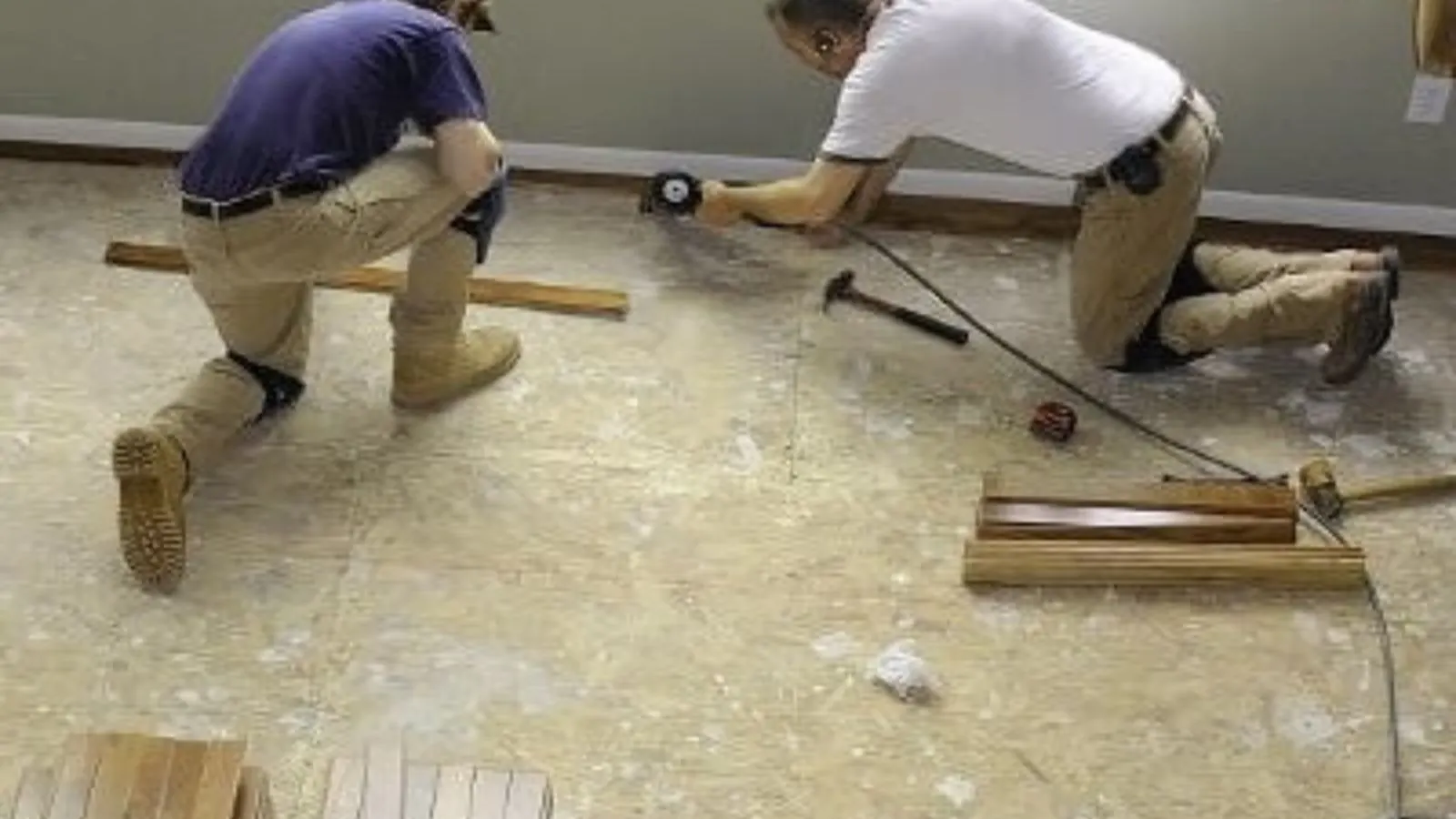
What water damage repair covers
Water damage repair is the rebuilding work that follows drying, and it brings walls, ceilings, floors and cabinets in Orem, UT back to a finished state. Drywall gets cut out and replaced, insulation is renewed, flooring is relaid or refinished, and the surfaces are primed, textured and painted to match. This is the stage people usually picture first, but it only works on materials that have already been dried and verified.
If the water is still moving, start with water mitigation so the structure dries before it is closed up. Wet debris and contaminated materials are covered under water damage cleanup. Repair is not an emergency service, though our dispatch line takes calls any time you need to talk through what you are looking at.
Where repair calls come from
The most frequent repair stories begin with a small failure. A washer supply valve breaks and soaks the laundry room wall. A burst pipe under a sink wets the cabinet base. An upstairs toilet leaks into a finished basement ceiling, or an air conditioner condensate line backs up and stains a hallway ceiling. Roof leaks add brown rings and sagging drywall below.
Rebuilds in Orem can involve permits. The Orem Building Safety Division requires permits for work that remodels or repairs, with some exceptions, and for plumbing, electrical, heating or air-conditioning work. Ask Building Safety before you open walls, and ask any contractor who pulls the permit and who schedules the inspection.
Signs the damage needs more than a paint touch-up
- A brown or yellow ring on a ceiling that keeps growing or returns after painting
- Paint or wallpaper that bubbles, peels or flakes along a wall
- Drywall that feels soft, crumbles at the corner or sags between joists
- Baseboards that swell or pull away from the wall
- Hardwood boards cupping at the edges or gaps opening between planks
- Cabinet bases with swollen particleboard or a bowed kick plate
- A ceiling that has partially collapsed or is hanging low
How repair work is assessed and carried out
Confirm the materials are dry
A moisture meter reads the drywall, studs and subfloor, and a thermal imaging camera checks for cold wet spots. Nothing gets closed in until readings match a dry reference spot in the same house.
Mark the cut lines
Damaged drywall is cut back to the nearest stud or joist, usually in a clean rectangle so the new patch can be fastened to framing.
Replace insulation and treat framing
Wet batt insulation is removed and replaced. Exposed framing is cleaned, dried and checked for soft spots before new board goes up.
Hang, tape and finish
New drywall is screwed to framing, taped with joint tape, coated with joint compound in thin passes and sanded smooth between coats.
Match the texture
Orange peel, knockdown or smooth finishes are sprayed or troweled to blend with the surrounding surface so the repair does not show in raking light.
Prime and paint
A stain-blocking primer seals any residual marks, then paint is rolled out to a natural break such as a corner or ceiling line.
Reinstall flooring, trim and cabinets
Flooring is relaid or refinished, baseboard and casing go back, and cabinet bases are replaced or reset.
Ceiling and wall water damage repair
Ceilings fail faster than walls because water pools on the back of the drywall and the paper face loosens. A bulging ceiling should be handled carefully, since it can hold a large amount of water. Poke a small hole in the lowest point over a bucket to release it, and wear eye protection. Do not stand directly beneath it.
Once the cavity is dry, the repair is straightforward. Drywall is cut out to joists, insulation is replaced, new board is hung and finished, and a stain-blocking primer goes on before paint. A collapsed ceiling is the same sequence with more demolition and disposal.
Wall repair follows the same logic, with extra attention to outlets and switches. If water reached an outlet box, a licensed electrician should check it before the wall is closed. Painting only the stained spot rarely works, so expect to paint the whole wall or ceiling plane to the nearest corner. Use a stain-blocking primer before the topcoat, because ordinary latex lets old rings bleed through.
Hardwood cupping and floor repair
Hardwood absorbs water through its underside, which makes the edges swell higher than the center. That is called cupping. If the boards are dried slowly and the cupping eases, a sanding and refinishing pass often fixes the surface. If the boards stay deformed or the finish is delaminating, planks or whole sections are replaced.
Engineered wood, laminate and vinyl plank behave differently. Laminate swells at the edges and rarely recovers. Vinyl plank may be dried and relaid if the subfloor is sound. A moisture meter on the subfloor tells you which path to take before any money is spent on new flooring.
Roof leak ceilings
A roof leak shows up as a brown ring far from the actual hole, because water follows rafters and ductwork before it drops. The first move is to fix the roof, since repairing the ceiling under an open leak means doing it twice. Roofing is outside what we do, so ask a roofer to repair the source.
After the roof is sealed, wet attic insulation is replaced, drywall below is cut out and replaced, and the ceiling is textured and painted. If the staining has a fuzzy or dark growth, stop and consider mold remediation before closing anything up.
Repair options and honest trade-offs
The right level of repair depends on how far the water traveled and how long it stayed. The comparison below shows the common choices.
| Option | Works when | Trade-off |
|---|---|---|
| Spot patch and repaint | Small stain, dry drywall, firm surface | Cheapest and quickest, but a patch can show without texture matching |
| Cut out and replace a section | Soft or stained drywall limited to part of a wall or ceiling | Standard fix, needs taping, texture and a full paint plane |
| Replace full wall or ceiling board | Water traveled through the whole panel or insulation was soaked | More demolition, but a cleaner and more consistent finish |
| Refinish hardwood | Cupping has eased, boards are intact | Preserves original floor, but sanding thins the wear layer |
| Replace flooring section | Boards are buckled, split or delaminating | Requires matching species, width and finish |
| Replace cabinets or bases | Particleboard has swollen | Swollen particleboard does not shrink back |
What you see and what it usually means
| What you see | Likely cause | First move |
|---|---|---|
| Ring stain on a ceiling under a bathroom | Toilet, tub or shower leak above | Stop using the fixture, then check the drain and supply lines |
| Stain on a hallway ceiling in summer | Clogged AC condensate line or drain pan | Check the pan and line, call an HVAC technician for the source |
| Bubbling paint on a laundry room wall | Washer supply valve or hose leak | Shut the valves, replace the hoses, dry the wall |
| Cabinet base swollen under a sink | Supply line or drain leak | Replace the failed part, dry the cabinet, assess the base |
| Ceiling brown rings after a storm | Roof leak | Call a roofer, then repair the ceiling below |
| Cupped hardwood near a dishwasher or entry | Slow leak or tracked-in water | Find and fix the moisture source, then monitor with a meter |
The paint is bubbling but the drywall feels firm
Bubbling paint on firm drywall usually means water got into the paint film rather than the board, or the wall dried before the damage went deeper. Scrape the loose paint, let the wall sit, and read it with a moisture meter. If the reading matches a dry reference wall, sand, prime with a stain-blocking primer and repaint.
If the reading stays high, the cavity is still wet and a painted surface will fail again. That is a drying problem and belongs with mitigation. Repair is the last step, not the first, and rushing it is the most common mistake we hear about from callers.
What shapes the cost of water damage repair
Size of the damaged area
A patch behind a toilet differs from a ceiling that spans a room. Larger areas mean more board, tape, compound and paint.
Materials and finish level
Textured ceilings, crown molding, tile, hardwood and custom cabinets each add labor and matching time over plain painted drywall.
Hidden damage
Wet insulation, rotted framing, damaged wiring or mold found once walls are open can widen the scope.
Permits and inspections
Plumbing, electrical or structural work may need a permit, and inspections add scheduling steps.
Matching existing finishes
Discontinued flooring, older paint colors and unusual textures take extra effort to blend.
Sudden and accidental water damage is often covered by homeowners insurance, while gradual leaks and neglect often are not. Check your policy, and ask your insurer what documentation it wants before repairs start. Call to talk through your repair and get real numbers for your house.
Want your real number? Call the 24/7 line and the dispatcher explains the scope and the price before any work starts.
☎ Call (385) 988-9410Repair work in American Fork and along the foothills
Our crews dispatch from Orem to American Fork, about 9 miles north, where the American Fork River runs through town. The city runs a flood prevention effort each spring that clears channels, cleans storm drain grates and fills sandbags, and those same grates are worth checking near your own lot.
If a basement or crawl space took water, finish moisture checks before drywall goes back, and keep sump discharge pointed away from the house.
Frequently asked questions
Restoration is the emergency and drying side, which includes extraction, cleanup and dry-out. Repair is the rebuilding that follows, such as drywall, paint, insulation and flooring. Skipping the drying step is the most common reason repairs fail.
Repairs start once moisture meters show the framing and subfloor are dry, which usually takes days, not hours. Building over wet materials invites odor and mold, so the readings are the signal rather than the calendar.
Only if the board is dry, firm and the leak is fixed. A stain-blocking primer helps, but paint cannot hide soft drywall or ongoing moisture.
The finisher sprays or hand-applies the same texture style, then feathers it into the surrounding area. Painting the whole plane to a corner hides any difference.
Often it does if the moisture source is removed and the floor dries slowly. Some boards stay deformed, and then a refinish or section replacement is needed. A moisture meter on the subfloor settles the question.
Permits can apply to repair work, plumbing, electrical and mechanical work. Ask the Orem Building Safety Division what applies to your project before walls are opened.
No, we do not offer rentals. Air movers move air across wet surfaces and LGR dehumidifiers pull moisture from the air, and drying typically takes days, not hours.
No. Restoration and repair are not waterproofing. Ask a waterproofing or foundation contractor about seepage, and a roofer about leaks.
Sudden and accidental damage is often covered, and gradual leaks often are not. Check your policy and ask your insurer, because we cannot promise approval or a specific outcome.